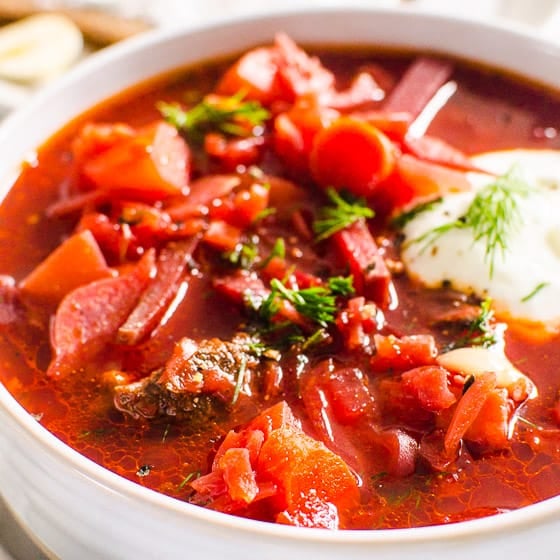
Few dishes evoke such warmth, history, and vibrant color as Ukrainian Borscht. This iconic beet soup, a culinary masterpiece beloved across Eastern Europe and increasingly around the globe, is far more than just a meal; it's a celebration of hearty ingredients, deep flavors, and generations of tradition. While its striking ruby hue is instantly recognizable, the true magic of borscht lies in its comforting depth and surprising versatility.
Often associated with a rich and complex cooking process, we're here to show you that crafting an authentic and incredibly flavorful borscht at home is simpler than you might imagine. This article will guide you through the essential components of a classic Ukrainian borscht recipe, offering practical tips and insights to ensure your pot yields a soup that’s both nourishing and unforgettable.
What Makes Ukrainian Borscht So Special?
To truly appreciate borscht, one must understand its roots and enduring appeal. While commonly misattributed, borscht is undeniably a culinary emblem of Ukraine. Its history stretches back centuries, with variations emerging across different regions and households. This deep historical significance lends a certain gravitas to any borscht recipe, making it a dish passed down through families with immense pride and care.
A quick note on pronunciation: while "borscht" is widely used, the Ukrainian pronunciation is closer to "borsch," without the 't' at the end. Mind-blowing, right? Regardless of how you say it, the essence remains the same: a soul-satisfying soup that speaks of home and heritage.
What sets Ukrainian borscht apart is its remarkable nutritional profile. It's a veritable powerhouse of vitamins and minerals, a testament to the wholesome vegetables it incorporates. Beets, the star of the show, provide iron and that signature vibrant color. Carrots add beta-carotene, potatoes contribute Vitamin C, potassium, and B6, and when cabbage is included, you benefit from Vitamin K, more Vitamin C, and fiber. Many versions also incorporate beans, boosting the protein content and making it an incredibly filling meal. Serving a bowl of this to your family truly feels good, knowing you’re offering both flavor and fuel.
Beyond the classic red beet borscht, you might encounter other fascinating variations. There's 'Green Borscht,' a summer delight made with sorrel, which, despite sharing a name, is a distinct dish. Polish borscht also features beets but has its own unique regional characteristics. However, for most, the image of borscht immediately conjures the deep, earthy, and slightly sweet flavor of its iconic beet-based form.
The Foundation: Building a Flavorful Stock for Your Borscht Recipe
Every magnificent edifice begins with a strong foundation, and for any exceptional soup, that foundation is a superior stock. This principle holds especially true for a classic borscht recipe. While making a delicious stock might seem like the most time-consuming part of the process, it's undeniably the most crucial for achieving that authentic, profound flavor. The good news is, it's not difficult – it simply requires a bit of patience.
For the richest flavor, tradition often calls for a meat-based stock, typically made from beef, pork, or chicken (often with bones for maximum depth). Using bones is key as they release collagen and marrow, contributing to a wonderfully rich mouthfeel and complex taste. Simple aromatic vegetables like onions, carrots, and celery (or for an even more authentic touch, celery root if you can source it) form the base, alongside classic aromatics like bay leaves and whole black peppercorns.
Tips for Superior Stock:
- Make Ahead: Preparing your stock the night before or even several days in advance is a fantastic strategy. It allows you to tackle the soup-making process in manageable steps and gives you a head start on dinner.
- Skim for Clarity: As your stock simmers, occasionally skim off any foam or impurities that rise to the surface. This helps create a clearer, cleaner-tasting stock.
- Consider Alternatives: If time is truly of the essence, or if you’re aiming for a healthy and hearty meatless classic, a high-quality store-bought chicken or vegetable broth can be a perfectly acceptable shortcut. While it might not replicate the exact depth of homemade, it allows you to enjoy the wonderful flavors of borscht without the extensive simmering time.
Once your stock is ready and clarified, the actual soup assembly can take as little as 30 minutes, transforming this potentially daunting dish into a wonderfully accessible weeknight meal.
Prepping Your Ingredients: The Heart of the Borscht Recipe
The secret to a stress-free and enjoyable cooking experience, especially for a vegetable-heavy dish like borscht, lies in thorough preparation. The French call it "mise en place," and for your borscht, it means having all your vegetables peeled, grated, chopped, sliced, and diced before you even turn on the stove. This not only streamlines the cooking process but also prevents any last-minute scrambling.
Let's talk about the key players in your borscht recipe:
- Beets: The undisputed star, providing that iconic color and an earthy sweetness. You can grate, dice, or julienne them, depending on your preferred texture. Some recipes call for cooking them separately or even roasting them to enhance their flavor and maintain color.
- Potatoes: Adding heartiness and a pleasant starchy thickness. Once peeled and sliced or diced, transfer them to a bowl of cold water. This simple trick prevents them from discoloring and keeps them fresh until you're ready to add them to the pot.
- Cabbage: A foundational ingredient that brings texture, fiber, and a subtly sweet flavor. Shredding it thinly ensures it softens beautifully in the soup.
- Carrots and Onions: These aromatics are typically sautéed first to build a sweet and savory base, deepening the overall flavor profile of the soup.
- Beans: Often included, especially in meatless versions, to add protein and body to the soup, making it even more satisfying.
- Optional Meat: If you're using meat in the soup itself (beyond the stock), it's typically cut into bite-sized pieces and browned before or during the initial vegetable sauté.
Having all these ingredients prepped and ready to go transforms the soup-making process from a chore into a delightful assembly line. It’s an easy, carefree way to ensure every element of your borscht recipe contributes perfectly to the final symphony of flavors.
Assembling Your Borscht: Simple Steps to Deliciousness
With your flavorful stock simmering and all your vibrant vegetables prepped, you're now ready for the most satisfying part: assembling your iconic borscht. The beauty of this borscht recipe lies in its sequential layering, allowing each ingredient to contribute its unique essence.
- Start with Aromatics: Begin by sautéing your diced onions and grated carrots in a little oil until softened and fragrant. This step builds the crucial flavor base. Some recipes even include a little tomato paste or paprika at this stage for added depth.
- Introduce the Beets: Depending on your preferred method, you might add the grated or diced beets to the sauté pan next, letting them cook gently to release their color and sweetness. Alternatively, some chefs prefer to add pre-cooked or roasted beets towards the end to preserve their vibrant hue.
- Add Stock and Potatoes: Pour in your delicious homemade or quality store-bought stock. Bring it to a gentle simmer, then add your cold-water-soaked potatoes. Simmer until they are nearly tender.
- Incorporate Cabbage and Other Vegetables: Once the potatoes are almost done, add your shredded cabbage, and any other quick-cooking vegetables like diced bell peppers (if using). If your recipe includes beans, now is a good time to add them to warm through.
- Season and Simmer: Taste and adjust seasonings. Salt, pepper, a bay leaf, and perhaps a touch of fresh dill are common. A splash of vinegar or lemon juice at the end can brighten the flavors and enhance the beet color without making the soup overtly sour. Continue to simmer until all vegetables are tender but not mushy.
The soup itself takes no more than 30 minutes to cook once your stock is prepared. The key is to avoid overcooking the vegetables, ensuring they retain some texture and their nutritional value. The deep ruby color will develop as the beets cook, creating that visually stunning masterpiece.
Serving Suggestions:
Borscht is traditionally served hot, often with a generous dollop of sour cream (or smetana), a sprinkle of fresh dill or parsley, and sometimes a side of dark rye bread. For a touch of garlic, some enjoy serving it with 'pampushky' – small, savory garlic buns. The creamy sour cream provides a beautiful counterpoint to the earthy sweetness of the beets, while the fresh herbs add a burst of freshness.
Crafting your own bowl of iconic Ukrainian borscht is a deeply rewarding experience. From the foundational stock to the vibrant medley of vegetables, each step contributes to a soup that is not only incredibly flavorful and nourishing but also rich in history and cultural significance. Whether you opt for a hearty meat-based version or a wholesome meatless classic, the simple steps outlined above will guide you to a bowl of warmth, comfort, and unforgettable taste. So gather your ingredients, embrace the tradition, and prepare to fall in love with this culinary gem.
